Index funds all day long baby

An image that reads, "DIY Investing: Index funds all day long". The easy way to beat 90% of professional investors is to invest that money in low cost index funds through ETF’s. That’s it. That’s all you need to know. It took me 10 years to learn this, but when I figured it out and back tested it, I laughed at how obvious and simple it is. Then I wondered why no one was teaching this. This should be taught in middle school and retaught in high school. So I vigorously scoured the internet and sure enough, tons of intelligent, respectable advisors and financial magazines tout the benefits of index investing and how professional fund managers don’t “beat the market”. And when professional investors say don’t “beat the market”, the market = index funds. It all seems so obvious, yet for some reason it’s not. So I’m here to bring the obvious to light. It’s index funds all day long, baby. Follow this advice and you’ll be earning money like those wealthy 1% who pay less tax than you. If you can’t beat ’em, invest in them!

Proof is in the pudding – Had Mr. Trump invested in index funds (instead of real estate), he’d be twice as rich. Sucker!

Read more

How to retire rich: a simple retirement plan that actually works

If you want to retire comfortably and stop worrying about money, you need a plan. Not a complicated one. A simple one you actually follow.

This is that plan.

Step 1: Earn money

You can’t build wealth without income. That might seem obvious, but a lot of people spend energy looking for shortcuts instead of focusing on earning more. Get a job. Build a skill. Get promoted. Start a side hustle. The bigger your income, the faster this plan works.

But income alone doesn’t make you wealthy. Plenty of high earners are broke. What matters is what you keep.

Step 2: Spend less than you earn

This is the entire secret to building wealth. Spend less than you earn. Everything else is just execution.

To do this, you need a budget. Not a complicated spreadsheet, just an honest look at where your money goes each month. Track your income, subtract your fixed expenses (rent, car, insurance), then figure out how much you actually have left. That gap between what you earn and what you spend is your wealth-building fuel.

If that number is zero or negative, you need to either cut spending or increase income. There’s no other option.

Step 3: Get rid of debt

Debt is the biggest obstacle between most people and financial freedom. High-interest debt, especially credit cards, destroys wealth faster than almost anything else.

Pay off all consumer debt (credit cards, car loans, personal loans) using the debt snowball or debt avalanche method. List your debts, attack them one by one, and don’t stop until they’re gone. The only possible exception is a low-interest mortgage, which some people choose to keep while investing the difference.

Step 4: Build an emergency fund

Before you invest aggressively, make sure you have 3 to 6 months of living expenses saved in a high-yield savings account. This is your financial shock absorber. When something breaks, someone gets sick, or you lose a job, you handle it with cash instead of debt.

Without an emergency fund, one bad month can undo months of progress.

Step 5: Save and invest, in this order

Once you’re debt-free (except maybe a mortgage) and have your emergency fund, invest in this order:

  1. 401(k) up to your employer match. This is a 50% or 100% instant return on your money. Always capture the full match first.
  2. Roth IRA, up to the annual limit. Your money grows tax-free. This is one of the best wealth-building tools available to most people.
  3. Max out your 401(k). After your Roth IRA is maxed, go back and contribute as much as possible to your 401(k).
  4. Taxable brokerage account. Once your tax-advantaged accounts are maxed, invest in a regular brokerage account.

In every account, invest in low-cost index funds. The S&P 500 index and total market index funds from Fidelity, Vanguard, or Schwab are excellent choices. Don’t try to pick stocks or time the market.

Step 6: Save first, not last

The single most powerful habit in personal finance is paying yourself first. Set up automatic transfers so your savings and investments move out of your checking account on payday, before you have a chance to spend them.

When saving happens automatically, you adjust your spending to whatever is left. When saving is optional, it usually doesn’t happen.

How long does this take?

It depends on your income, your expenses, and how aggressively you save. Someone who saves 15% of their income will reach financial independence in roughly 40 years. Someone saving 30% can get there in about 25 years. At 50% savings rate, many people retire in 15 to 17 years.

The math is not complicated. The hard part is actually doing it, consistently, for years.

Start now

The best time to start was ten years ago. The second best time is today. Even small amounts invested consistently over decades grow into life-changing sums thanks to compound interest.

Open a Roth IRA this week if you don’t have one. Increase your 401(k) contribution by 1% this month. Cut one spending category. Do something today.

The people who retire comfortably aren’t smarter or luckier than everyone else. They just started earlier and stayed consistent.
How to pay off debt fast: attack it like you mean it

If you’re carrying debt, every month you don’t attack it is a month you’re paying someone else to own a piece of your life. Credit card interest, student loan payments, car loans: these aren’t just numbers on a statement. They’re claims on your future income.

The average American household carries over $100,000 in debt including mortgages, student loans, and credit cards. Many people spend 20 to 30 years paying it off. You don’t have to.

Why you need to attack debt aggressively

Most people treat debt like a slow background problem. They make the minimum payment each month and hope it goes away. It doesn’t. Minimum payments are designed to keep you in debt as long as possible while you pay maximum interest.

Here’s what attacking debt actually looks like: you pick your payoff method, you cut every non-essential expense you can, and you throw every extra dollar at your debt until it’s gone. Not some of it. All of it.

Step 1: Get organized

Write down every debt you have. For each one, note:

  • The lender or creditor
  • The current balance
  • The interest rate
  • The minimum monthly payment

Most people don’t have a clear picture of what they owe across all accounts. This step alone can be motivating, even if the number is uncomfortable to look at.

Step 2: Choose your payoff method

There are two main strategies:

Debt snowball: Pay off debts from smallest balance to largest. You get quick wins that keep you motivated. This works best for most people because motivation is what keeps you going.

Debt avalanche: Pay off debts from highest interest rate to lowest. You pay less total interest over time. This is the mathematically optimal choice.

Either method works. The one you actually stick with is the right one. If you need to see progress fast to stay motivated, start with the snowball.

Step 3: Find more money to throw at it

Minimum payments won’t get you out of debt fast. You need extra money. Here’s where to find it:

  • Cut subscriptions you rarely use
  • Eat out less and cook more
  • Cancel gym memberships you don’t use
  • Sell things you don’t need
  • Pick up extra hours or a side income
  • Put any windfalls (tax refunds, bonuses, gifts) directly toward debt

Even an extra $100 or $200 a month makes a significant difference in how fast you pay off debt.

Step 4: Stop adding to the debt

This should go without saying, but it’s worth stating plainly: stop using credit cards if you’re carrying a balance. You can’t fill a bucket with a hole in it. While you’re paying off debt, every purchase goes on your debit card or in cash.

What debt-free actually feels like

When you’re not making debt payments every month, your options open up in ways that are hard to imagine when you’re in the middle of it. You can take a job that pays less but is more fulfilling. You can travel. You can build savings faster. You can take a risk on a new idea. Financial freedom isn’t about being rich. It’s about having options.

Get started today

Open a spreadsheet or grab a piece of paper and list your debts right now. That’s the first step. You don’t need a perfect plan to start. You just need to start.

Order your debts, pick your method, and throw everything you can at the top one. The first payoff is the hardest. After that, the momentum builds fast.

4 best places smart people put their extra money

Image of money growing on a plant.

Image of money growing on a plant.A common question from readers is, “Where should I put my money?” Whether it’s an inheritance, or money saved up over time, people new to having a relatively large sum of money often aren’t sure where to invest that money. Below is an example question from a woman in her 50’s and my response of where she should put her money for retirement and beyond. Though the answer can differ, here are the 4 best places that smart people put their extra money. 
Shawn,
 
I won’t go into details here, but I moved my 401K to Stronghold last December and it was a nightmare.  I too read Tony’s book and was fired up to do something and that’s what I did. Thankfully, the operation manager at SH cleaned up the mess, but since then I’ve left things alone for the most part. 
 
(Can I just say here that this [investing] stuff terrifies me?)
 
I just received an estate inheritance, taxes have been paid and I need to invest it now. It’s been sitting in my Money Management account with my credit union, but that’s not wise for much longer.  I’ve contributed what I can into my IRA for 2015, same for my HSA, and my plan was to put the rest into my SH investment account.  I just read your posts and am thinking that Axos Invest may be a better bet.  Given my age [in my 50’s], the 45% Stock/ 55% Bond mix makes sense. Also given the difficulty of interactions with Stronghold, I’d like this process to be easier.  
 
Should I put the money into Axos Invest? 
 
Your thoughts on next steps would be greatly appreciated.  
 
VERY grateful to have come across your blog, in any event, thank you very much Shawn!  Sounds like you’ve crafted a lovely life for yourself!  
 
Wishing you continued happiness and success.
 
Sincerely,
R

Read more

How to make a budget for first timers to save more & get rich

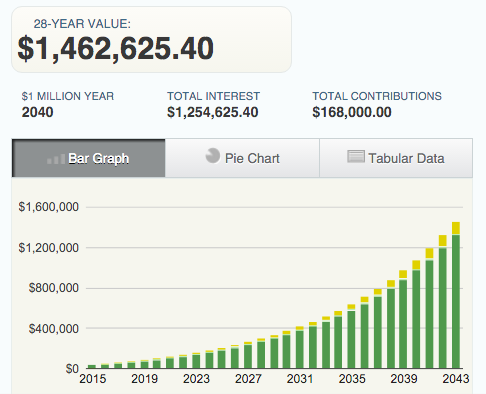
Image showing a graph if money increasing to 1.46 million dollars in 28 years.

Looking for the easy way to make a budget? Here it is. Like most people, when you think of budgeting and organizing your finances, you think “ain’t nobody got time for that!”.

Simplest Budget Spreadsheet

Image of the ain't nobody got time for that meme.

Well make time, my friend! You don’t want to live like Sweet Brown, do you? Ain’t nobody got time for that! Get yourself on a budget and you’ll be well on your way to getting rich. Here’s how.

1 – Earn Money

At the top of any budget is how much money you earn. We’re going to make a monthly budget because everything else is weird. If you get paid weekly, bi-weekly, or anything else, you’ll need to do a little math to estimate your monthly income.

Two easy ways to estimate your income.

3-Month Average: Take your last 3 months of paychecks and add them up. Take that total and divide by 3. 

Example:

When Paycheck
3 months ago $3,000
2 months ago $4,500
last month $3,000
TOTAL $10,500
AVERAGE $3,500 / month

Read more

Stronghold Financial portfolio checkup review – update

Image of Stronghold Financial homepage.

Image of Stronghold Financial homepage.

So, I wrote a quick review of Tony Robbins’ recommended Stronghold Financial portfolio checkup software in the early stages of it’s release. My initial review was for the common investor to take caution. It was a simple ploy to get a lot of people to signup for their investment advisor services through Tony Robbins’ genius marketing skills. Now, 8 months later, I’ve decided to give the service a second chance. Here is my updated review of Stronghold Financial’s portfolio checkup software.

One Giant Sales Landing Page

If you go to the Stronghold Financial homepage, of which I am purposely choosing not to link to, you will be presented with one giant sales landing page. It’s much better constructed compared to the original version. The first thing to pop up is a quick explainer video by Ajay Gupta. I’m kind of surprised they couldn’t get Tony to do the explainer video. It arguably would’ve been 15x more effective (Tony’s trust factor is so damn high). Alas, you get boring Ajay in front of a bunch of framed certificates (how many colleges did you graduate from, man?) telling you to sign up and trust the advisors he’s hand-picked to make your investing decisions for you.

Read more

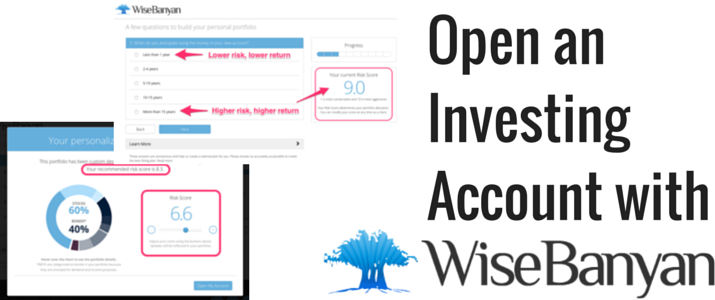
Open an investing account with Wisebanyan (now Axos Invest)

Title image for article that reads 'Open an investing account with Axos Invest'.

Title image for article that reads 'Open an investing account with Axos Invest'.

If you’re a friend of mine and you don’t have a retirement account setup yet, I want you to open one today. Yes today. Right now. Hopefully you have $5,500 sitting in a savings account or CD earning you nothing right now. Why $5,500? Because that’s the maximum you can contribute to a ROTH IRA which is the retirement account you want to open (if you earn less than $183,000, which I’m pretty sure you do).

I’m going to help you put that money to work for you by opening an investment account with Axos Invest. There are tons of investing brokerages, but I’m going to highlight one of the easiest places to open an investing account today. You’re going to open it, answer some questions, send your savings there, and let it sit for a year. If you’re not happy with it after a year, you can take it back it and put it back where you have you now. But I’m confident you’ll be so happy with the result after a year, you’ll not only keep your money there but you’ll add more to it.

Read more

Tony Robbins wants you to invest now

Image of Tony Robbins meditating with a speech bubble that says "Get in the game."

Image of Tony Robbins meditating with a speech bubble that says "Get in the game."

Everybody loves Tony Robbins, right? The guy is a superhuman. So when he published his first book in almost 20 years and it wasn’t about peak potential or flow, but about how to win in the money game, people took notice. Well, don’t go out and buy the book just yet. It’s 688 pages and has mixed reviews. Let me help distill his best advice into something more easily consumable. Here are some of the better takeaways from an interview he did with Inc. (video after the break).

Read more

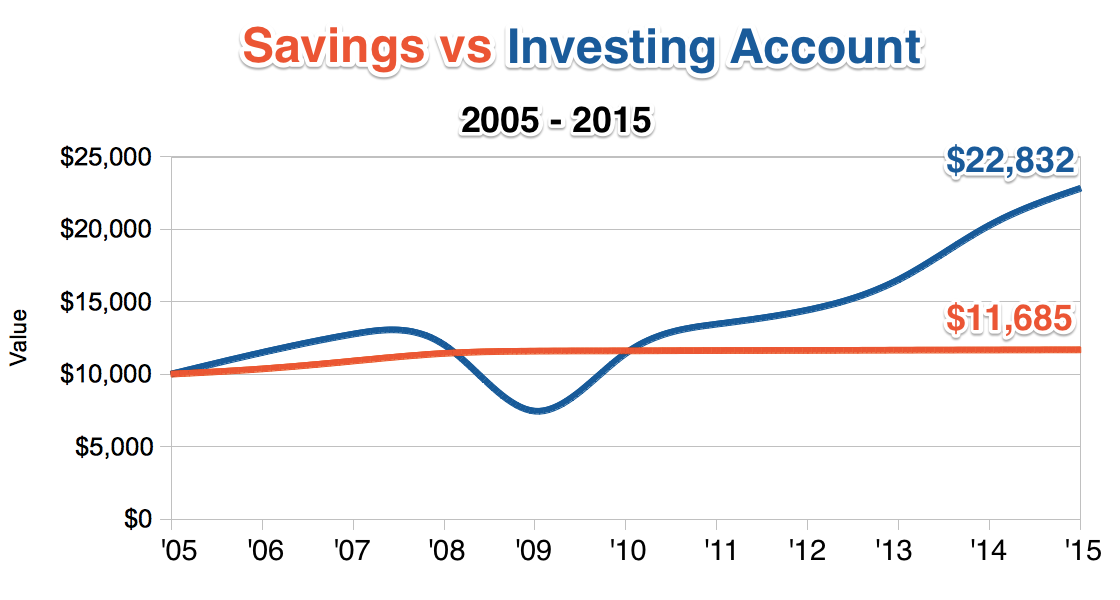
Why investing beats savings accounts

A chart showing the growth of $10,000 invested and saved.

A chart showing the growth of $10,000 invested and saved.

I hope this chart is self-explanatory. But in the case that it might not be. Let me explain it for you. If you had $10,000 in March of 2005, this is how much money you’d have if you had either put it into a savings account (red/orange line) or had invested it in the stock market (blue line).  It’s 2015 now and 10 years later, this is how much money you’d have in your account. Which would you prefer? This chart shows why an investment account is better than a savings account.

So, if you’ve paid off your debts, saved up a couple $1,000 and now you’re curious about how to put that money to work, look no further. You’re asking yourself, “what should I do with X dollars?” Should you invest in the stock market or put it into a savings account? Look at that chart and you tell me.

Read more

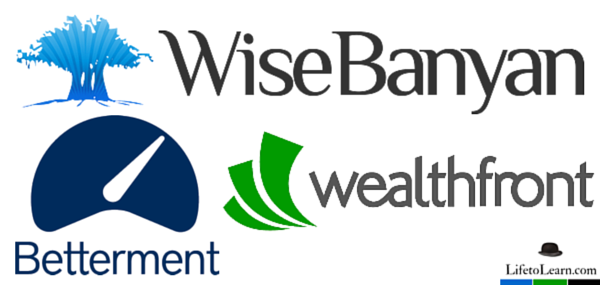
Rise of the financial robo-advisors

An image of logos for Betterment, Wealthfront, and Wisebanyan and the text Rise of the Robo-advisors.

It should be obvious by now that the internet is shattering traditional businesses by democratizing access to information and allowing for technology to reduce costs and simplify transactions. Well the newest target of advancing technology on the internet is the financial advisor. With the rise of robo-advisors like Betterment, WealthFront, and now Wisebanyan, the traditional brick-and-mortar financial advisors are looking like Radioshack and Barnes and Noble of the early 2000’s (that is to say not likely to last much longer). Intelligent Gen-X’ers (born in the 60’s and 70’s) and Millennials (born between 1980 and the 2000’s) are comfortable with technological disruptors and overall tend to embrace them. And the rise of robo-advisors for under 40’s will be another disruptor.

Read more